24 June 2026 – Green hydrogen, renewable energy integration, and cross-border energy cooperation took center stage at e-nova 2026 Conference in Pinkafeld, where stakeholders from Austria, Hungary, and Slovenia gathered to discuss the future of sustainable energy systems. The conference featured dedicated sessions of the HySISI and H2GreenFUTURE projects, showcasing how regional partnerships are accelerating the transition toward a carbon-neutral energy landscape.
A key focus of the event was the HySISI (Hydrogen Synergies for Interregional Systems Integration) project, a pioneering Interreg Austria-Hungary initiative that is developing a cross-border hydrogen strategy for Central and Eastern Europe. HySISI aims to strengthen energy security, support decarbonisation, and enable the wider deployment of green hydrogen solutions in sectors that are difficult to electrify, including steel, chemicals, cement, and heavy transport. During the first HySISI session on 24 June, Magdalena Lindl from Wien Energie presented the project as a pioneering cross-border cooperation in the green hydrogen sector. Additional presentations addressed hydrogen policy developments in Hungary and the strategic importance of underground hydrogen storage, with insights provided by Franziska Steger from RAG Austria.
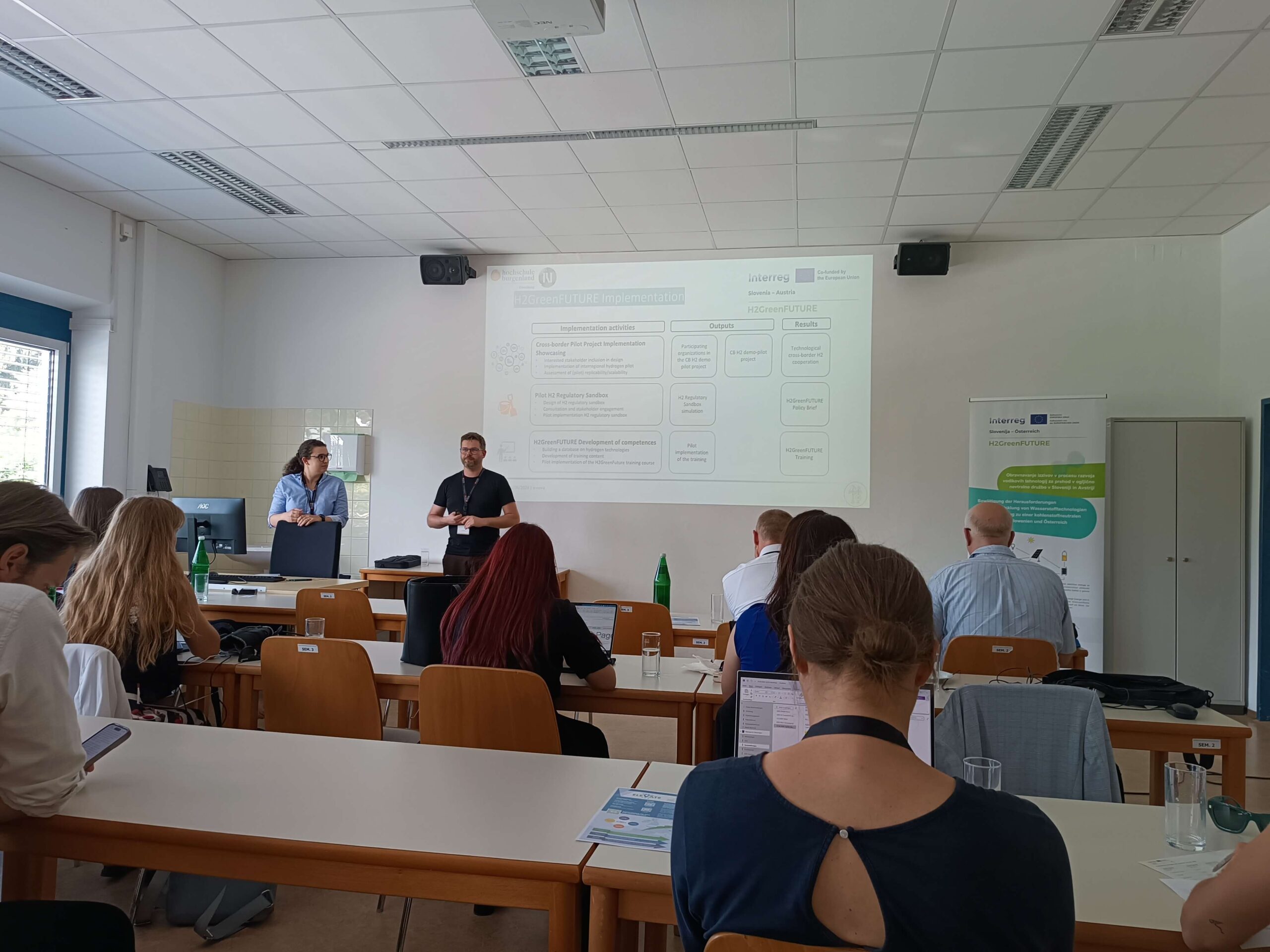
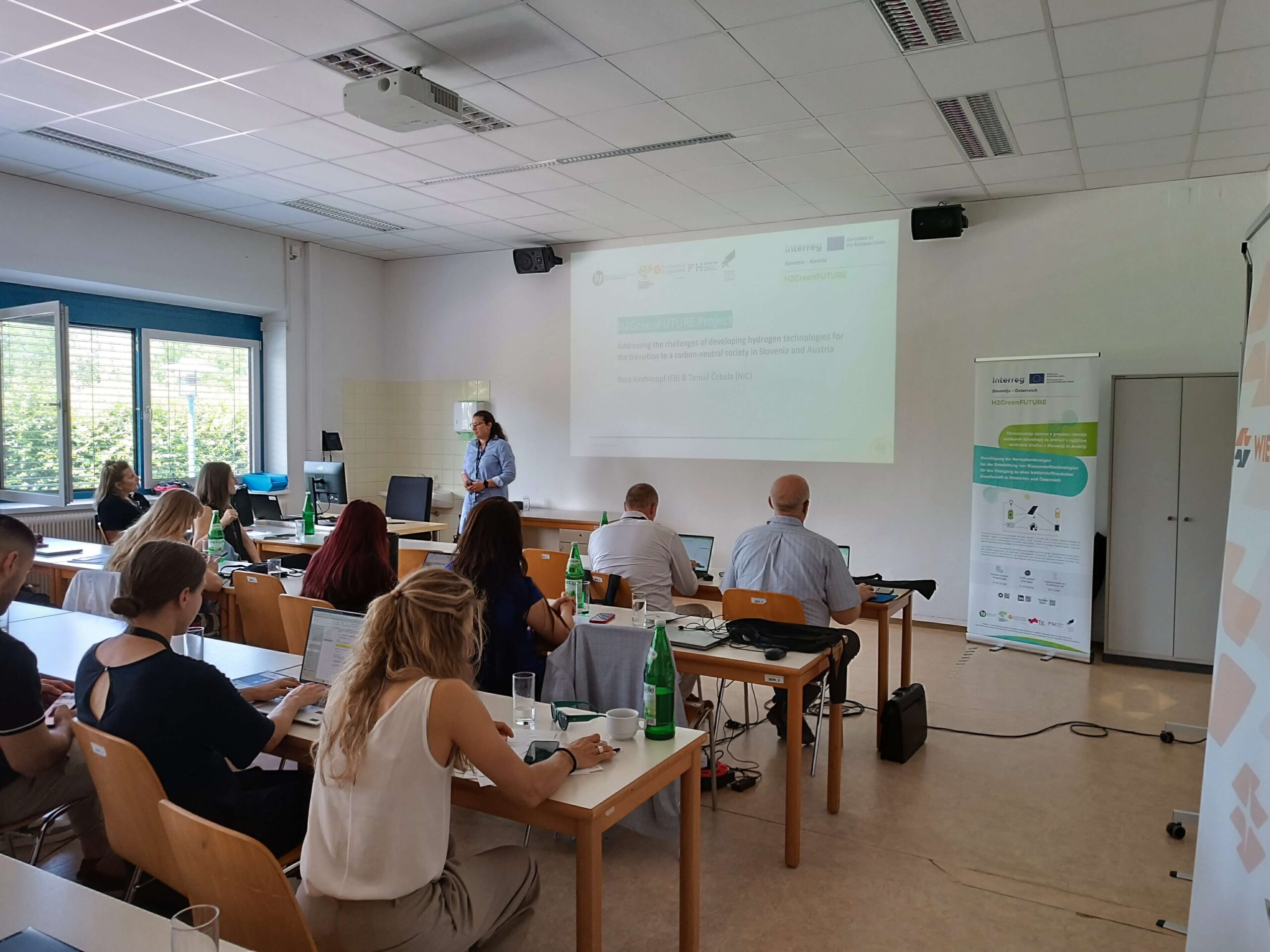
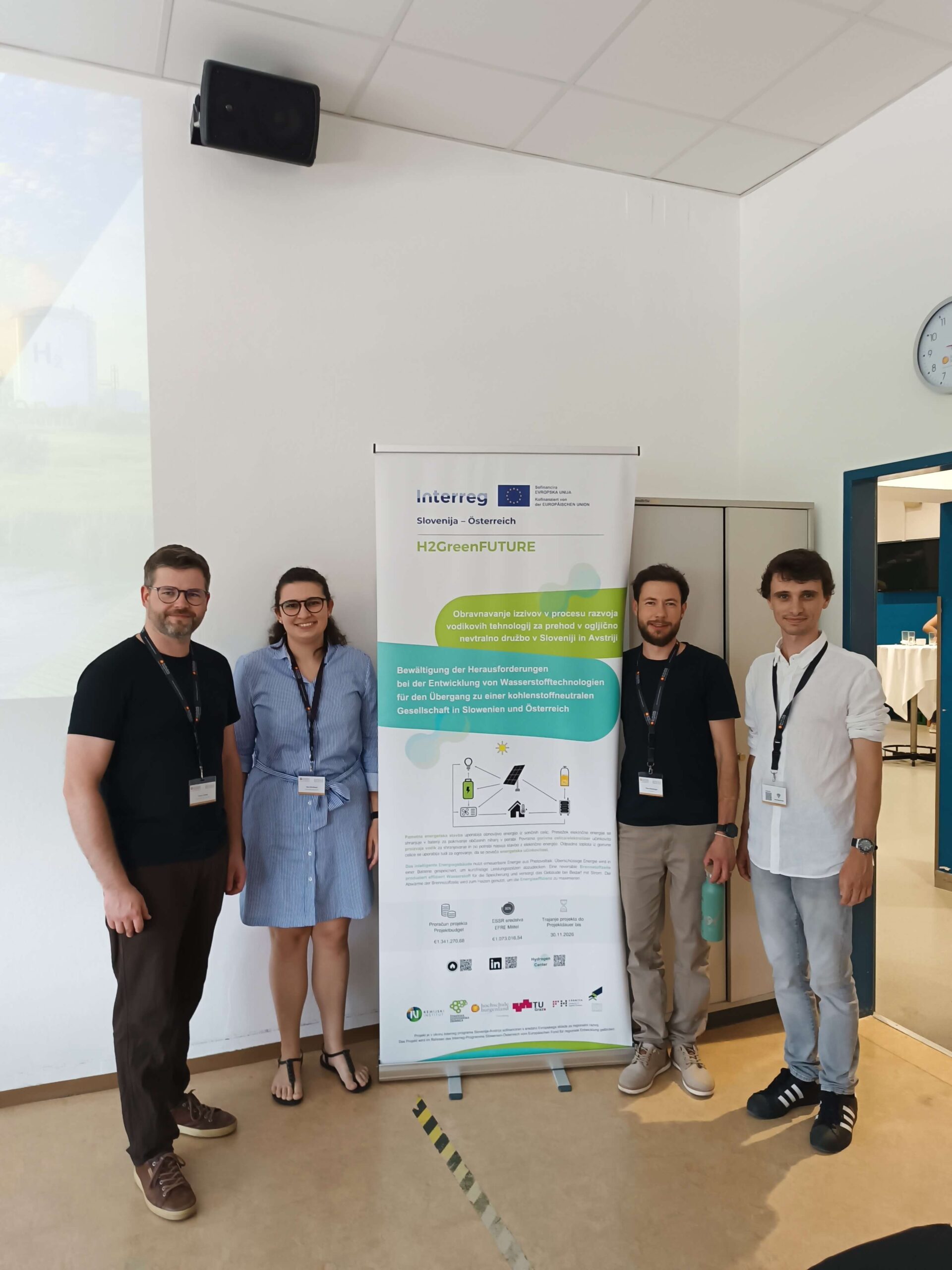
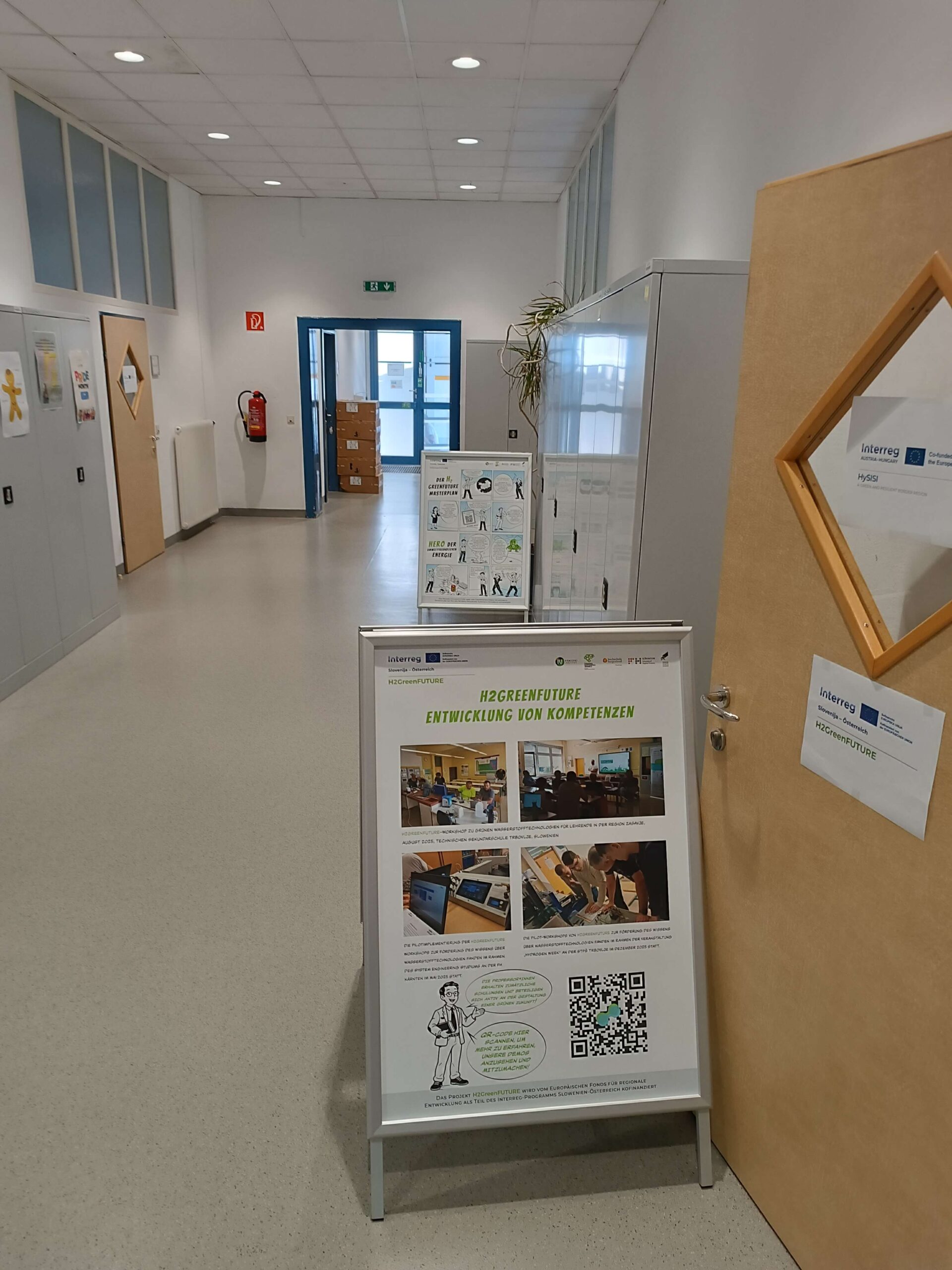
The afternoon session expanded the discussion to include Slovenian partners through the H2GreenFUTURE project, which operates in the framework program Interreg Slovenia-Austria. Experts explored critical topics such as grid management, renewable energy integration, and the development of hydrogen innovation ecosystems across the Austria-Slovenia border region. Presentations by Peter Jurik from Austrian Gas Grid Management AG and Jasmin Schiefer from Wien Energie highlighted the importance of aligning renewable generation, storage technologies, and energy infrastructure to ensure a resilient future energy system. A presentation by Nora Kirchknopf from Hochschule Burgenland and Tomaž Čebela from National Institute of Chemistry from Slovenia introduced the progress of the H2GreenFUTURE project, which focuses on research, innovation, skills development, and pilot demonstrations (H2 Green Demonstrator) supporting hydrogen technologies in Austria and Slovenia. The initiative seeks to remove barriers to hydrogen adoption while creating a stronger regulatory and innovation framework for the sector.
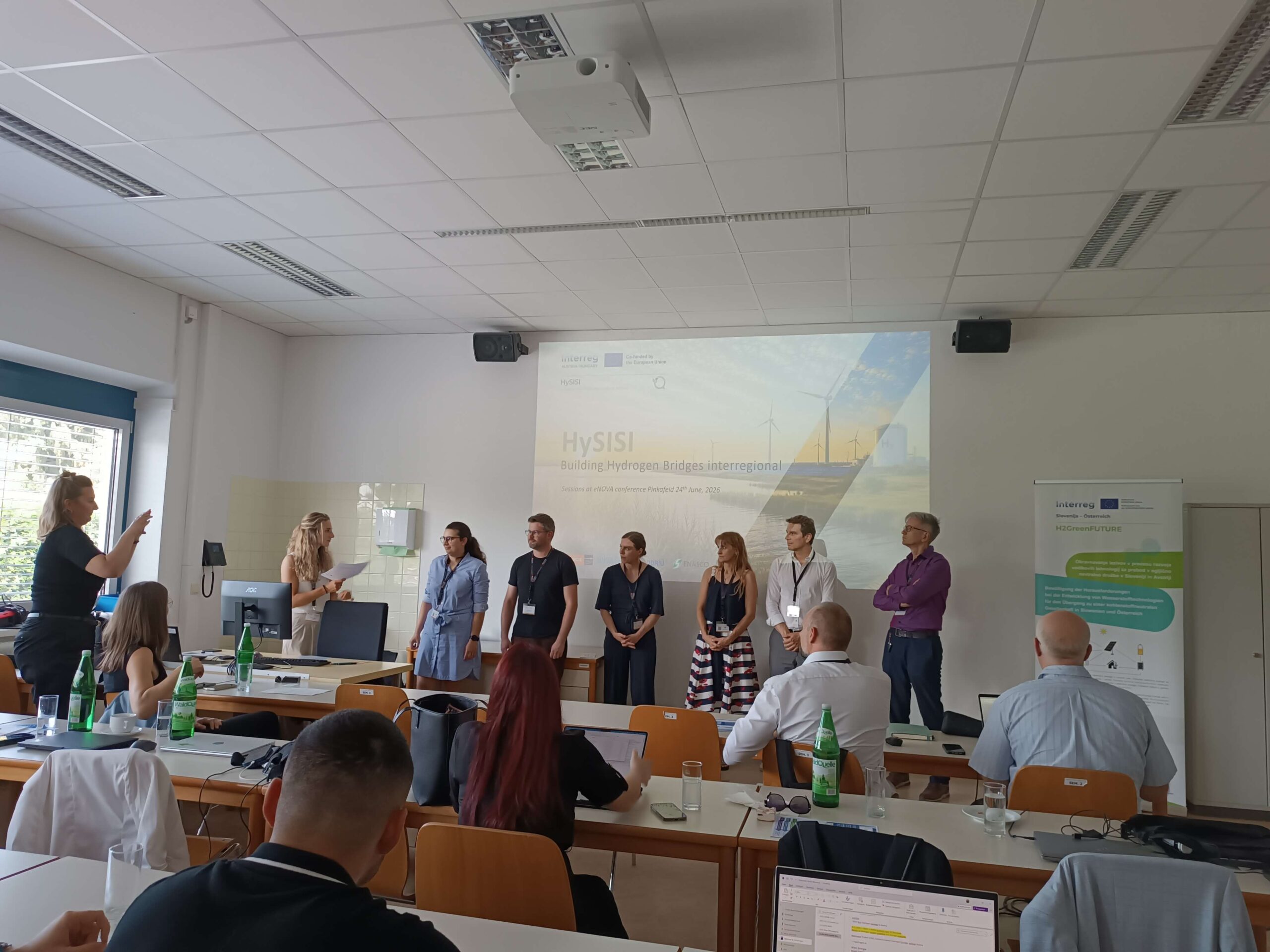
The conference concluded with a panel discussion on “Missing Links in Cross-Border Cooperation in the Field of Green Hydrogen.” Participants emphasized that successful deployment of hydrogen technologies requires close cooperation among industry, research institutions, energy companies, policymakers, and regional authorities. The discussion highlighted the importance of harmonised strategies, shared infrastructure planning, and knowledge exchange across national borders.
e-nova 2026 Conference demonstrated that regional cooperation is becoming a decisive factor in Europe’s hydrogen transition. By bringing together initiatives such as HySISI and H2GreenFUTURE, the conference provided a platform for stakeholders to exchange expertise and strengthen partnerships that will help create a more resilient, sustainable, and interconnected energy future for Central Europe.